Lexus Headlight Upgrades
OEM-style upgrades with cleaner styling and improved night visibility.
View Details →Premium parts for Audi, BMW, Mercedes-Benz, Porsche, Lexus, Ford, and Toyota. Shop body kits, bumpers, LED headlights, and wheels with fitment support before ordering.
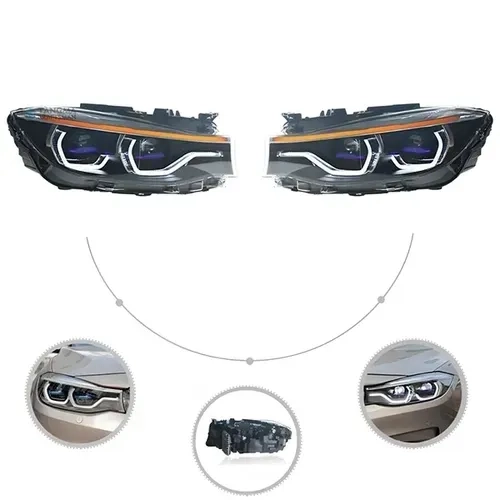
Explore brand-focused LED headlight upgrades for popular vehicle platforms and common styling needs.
OEM-style upgrades with cleaner styling and improved night visibility.
View Details →Sport-focused lighting upgrades for popular BMW sedans and SUVs.
View Details →Sharper front-end lighting upgrades for selected Ford models.
View Details →Refined lighting upgrades with premium styling and clean fitment.
View Details →Performance-inspired upgrades with a clean OEM-style look.
View Details →Reliable lighting upgrades with a cleaner, more modern look.
View Details →A cleaner structure helps buyers reach the right category faster.
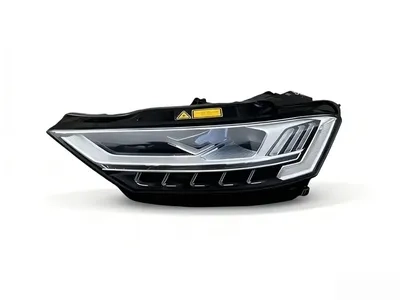
OEM-style headlight assemblies and lighting upgrades for popular Audi sedan and SUV platforms.
View Audi →
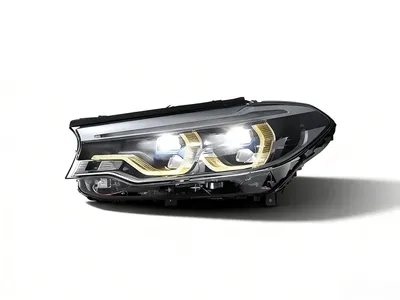
Headlight and lighting options for 3 Series, 5 Series, X5, X6, and other common BMW fitments.
View BMW →
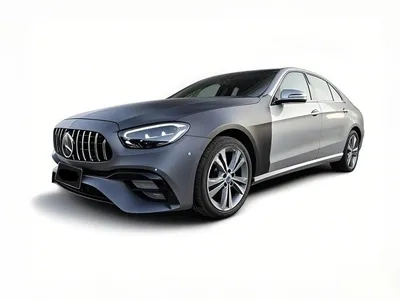
Lighting upgrades for C-Class, E-Class, GLC, GLE, and other Mercedes-Benz models.
View Mercedes-Benz →
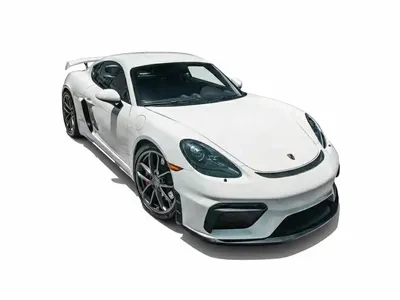
Headlight assemblies and related lighting parts for Cayenne, Macan, and Panamera.
View Porsche →See the full catalog if you already know the type of part you need.
Browse lighting →Use the brand routes above to reduce guesswork and get to the right section faster.
Browse brands →Not sure which option matches your vehicle? Send your details before placing the order.
Contact KUJIAKU →A focused homepage helps buyers reach the right brand or lighting category faster.
If trim, model year, or compatibility is unclear, contact us before ordering for fitment support.
The message stays clear: what we sell, who it fits, and how to get support when needed.
No. 7 Wufotang, Zhongcun, Panyu, Guangzhou, China
Send us your vehicle details or a link to the product you are considering. We can help you narrow it down before checkout.
Buying automotive parts is rarely just about price. Buyers usually need to confirm fitment, consistency, production standards, packaging, and delivery timelines before placing an order. The FAQ below covers the questions we hear most often from importers, wholesalers, distributors, and aftermarket buyers.
We supply a broad range of automotive parts for aftermarket and distribution needs, including suspension parts, brake components, steering parts, engine parts, rubber-metal parts, and selected body or chassis-related components. The exact product range can vary by vehicle platform, market demand, and technical specification. For buyers handling multiple SKUs, we usually recommend matching parts by OE number, application list, drawings, or sample details to improve accuracy.
The most reliable way to confirm fitment is to provide OE numbers, VIN data, vehicle model, production year, engine type, and photos of the original part when possible. In practical purchasing work, fitment errors usually happen when buyers rely only on a product name or a rough category. A proper cross-check based on technical details helps reduce returns, installation issues, and communication costs later in the order process.
Yes. For customers building their own brand or expanding into new markets, OEM and private label service can usually include logo packaging, carton design, barcode labels, and selected custom specifications depending on the product category. In most cases, a smooth OEM project starts with clear technical standards, packaging requirements, and target market positioning, rather than only a price discussion.
Quality control normally involves material verification, dimensional checks, process inspection, and final inspection before shipment. For critical auto parts, buyers often pay close attention to tolerance control, surface finish, hardness, durability, and installation consistency. A dependable supplier should be able to explain how parts are checked and what standards are used, because stable quality matters far more than a one-time low price.
MOQ depends on the type of part, packaging method, inventory condition, and whether the order involves standard stock or custom production. Some fast-moving items may allow flexible quantities, while custom-branded or less common parts often require a more structured MOQ. For mixed orders, it is usually more practical to review the full parts list first and then confirm the most workable quantity plan.
Lead time depends on stock availability, order volume, packaging needs, and whether the project includes OEM details. Ready-stock items can often move faster, while custom orders naturally need more coordination. For regular buyers, accurate forecasting and earlier confirmation usually help secure more stable delivery windows, especially during peak shipping seasons.
Yes. Many international buyers need packaging that works for warehouse handling, retail presentation, or distributor channels. Depending on the order, packaging support may include neutral boxes, branded cartons, label stickers, pallet planning, and export carton marking. Shipping support can also be arranged according to the destination, delivery terms, and cargo volume, so it is always better to align packaging and logistics early in the discussion.
If an issue appears after delivery, it helps to collect clear photos, product labels, OE references, installation feedback, and batch details before contacting the supplier. That information makes troubleshooting much faster and more accurate. In real-world auto parts trade, efficient after-sales support is not only about solving one problem, but also about preventing the same issue from affecting future orders.
