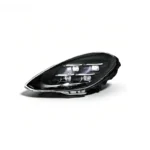
If you sell aftermarket headlights, this kind of page works well as a practical guide hub. It helps visitors sort through fitment concerns, styling preferences, installation questions, and everyday usability before they click into a product page.
The topic groups below are organized around real buying behavior. Some people want a cleaner front-end look, some want better visibility at night, and some just want to make sure the headlights they order will actually fit their car without extra wiring headaches.
These are the articles that help new buyers understand what aftermarket headlights are, how they differ from factory units, and what kind of upgrade they are actually looking at.
A straightforward introduction for buyers who are early in the decision process.
Useful for comparing factory-style replacement and upgrade-oriented options.
A practical comparison topic that supports both education and conversion.
Good for users trying to understand appearance and beam pattern differences.
Helpful for shoppers looking for a visual upgrade rather than a simple replacement.
A common question that can lead naturally into product recommendations.
Works well for users who care more about usability than appearance.
Clarifies terminology before the buyer gets deeper into product selection.
A helpful reference topic for compatibility and replacement planning.
Useful for setting expectations before checkout.
This section is closer to conversion. The reader already knows they want new headlights, but still needs help choosing the right style, price range, or feature set.
A strong cornerstone article that can support the whole category.
Great for reducing hesitation and preventing simple ordering mistakes.
Useful for helping customers compare price against finish, fitment, and longevity.
Supports visitors who want a sensible upgrade without going too extreme.
Fits styling-focused traffic and more aggressive front-end builds.
Useful when appearance is the main reason for the upgrade.
A practical article that addresses appearance, wear, and consistency.
Great for balancing style preferences against night-driving concerns.
Works as a softer comparison article with strong visual-upgrade intent.
Good for users comparing OEM-plus, street, and show-oriented looks.
These are some of the most important pages in the cluster. They answer the questions buyers ask right before they order, especially when they are worried about trim level, factory lighting type, or plug-and-play compatibility.
One of the strongest pre-purchase topics in the whole set.
Useful for explaining why “same car” does not always mean same fitment.
A natural fitment concern that comes up often on marketplace and DTC sites.
Good for users trying to upgrade visually without changing vehicles.
Practical, useful, and easy to connect to fitment support or contact flows.
Helpful for compatibility concerns that often lead to returns if ignored.
A strong question-led page that helps calm buyer anxiety.
Useful for simplifying what can otherwise feel like a technical decision.
Clarifies a phrase that many buyers see but do not fully trust.
A good content piece for reducing wrong orders and setting expectations.
Installation content matters because a lot of buyers are not afraid of changing headlights, but they are afraid of discovering extra work after the box arrives.
A simple question with high practical value for first-time buyers.
Good for planning expectations before purchase.
Helps buyers decide whether the upgrade fits their skill level.
Simple, useful content that makes the category feel more helpful.
A practical guide that can support product and help-center pages.
Useful for cautious buyers looking for a cleaner install path.
A realistic topic that makes the content feel experienced and grounded.
Addresses a common source of frustration before it happens.
Good troubleshooting page for post-purchase support.
Helpful content that also supports trust and customer education.
Not everyone buys headlights for looks alone. These topics help you speak to the customers who care about beam pattern, usable visibility, glare, and everyday driving comfort.
A strong performance-focused article that supports serious buyers.
Useful for separating style claims from real-world output.
A realistic article that can build credibility when written honestly.
Good educational content for buyers who want more than marketing language.
Helps frame the upgrade conversation more thoughtfully.
Simple, useful question-led content for practical buyers.
Scenario-based content with natural real-world relevance.
Good for users prioritizing reach and confidence over styling.
A strong support article that feels practical rather than promotional.
Useful follow-up content that reinforces expertise.
This content is less about raw output and more about appearance. It works best when your catalog includes smoked housings, LED bars, sequential signals, halos, or other styling-heavy options.
Good for users trying to refresh an older front end without overdoing it.
Useful when styling direction is the buyer’s main concern.
A softer styling article that usually feels more believable and relatable.
Works well for appearance-driven product clusters.
Useful comparison content that touches both form and function.
Good for users deciding whether a feature is worth the extra money.
A strong style comparison article for modification-focused traffic.
Useful for balancing looks against everyday usability.
A very natural cross-category article if you also sell front-end styling parts.
Excellent for broader styling ecosystems on the site.
Some buyers want more than a different look. They want to know whether the new headlights still support the features their vehicle already has, or whether the upgrade adds something useful.
A simple, easy-to-rank educational article with strong category relevance.
Good for style-led buyers who still want practical justification.
Useful for blending aesthetics with daily usability concerns.
A clean introductory article for style-focused buyers.
Works well if your audience includes European-car styling enthusiasts.
Useful for buyers who do not want to lose factory behavior.
Good compatibility content with practical value.
An important question for newer vehicles and more cautious buyers.
Strong for premium-looking products without sounding overly promotional.
A practical article that connects well to wiring and error-code concerns.
This section matters more than many stores realize. If your content ignores warning lights, resistors, and flicker issues, customers may still buy, but they will not feel as confident while doing it.
A very common issue that deserves its own clear explanation.
Simple, useful, and directly tied to compatibility concerns.
Good educational content for modern vehicles.
Good troubleshooting content that also supports trust after purchase.
Helpful post-install content that feels realistic and useful.
Good for buyers moving away from factory premium lighting systems.
A practical support article with clear usefulness.
Helpful for setting expectations before installation starts.
Useful for buyers worried about creating new electrical issues.
Strong support content that feels practical rather than sales-driven.
Headlights are highly visual products, so buyers care a lot about how they look after six months, one year, and beyond. These pages help address those concerns early.
A common concern that deserves a calm, realistic explanation.
Simple question, strong practical value, easy to connect to product expectations.
Helpful for users who are not sure whether they have a defect or a normal condition.
Good support article for durability-minded buyers.
Useful when customers are comparing budget against long-term appearance.
A realistic question that helps people think beyond first impressions.
Good for discussing lens finish, housing quality, and general durability.
A practical article that can attract both pre-purchase and post-purchase readers.
Strong maintenance-style content with easy usability.
Useful for repeat-purchase and wear-based replacement journeys.
This section helps you sound more credible. Buyers know that not every lighting upgrade is equally practical for daily driving, and honest content here often builds trust rather than reducing interest.
A necessary question-led page for cautious buyers.
Works well when written carefully with reasonable boundaries.
Practical content that feels useful and grounded.
A trust-building article that sounds more human than overly promotional copy.
One of the strongest legal-boundary topics in the cluster.
Good for helping users separate visual appeal from real use.
A simple but credible topic when handled carefully.
Useful and practical without sounding forced.
Supports buyers who want a cleaner, safer everyday setup.
A good wrap-up topic that combines fitment, usability, and restraint.
This page works best as a hub page, not as the final destination for search traffic. In practice, each title above should point to its own article, FAQ page, or fitment guide, while this page acts as the entry point that organizes the whole topic cluster.